Stage 6 - Delegate River to Bobundara 129k - 5 reasons I support C4C
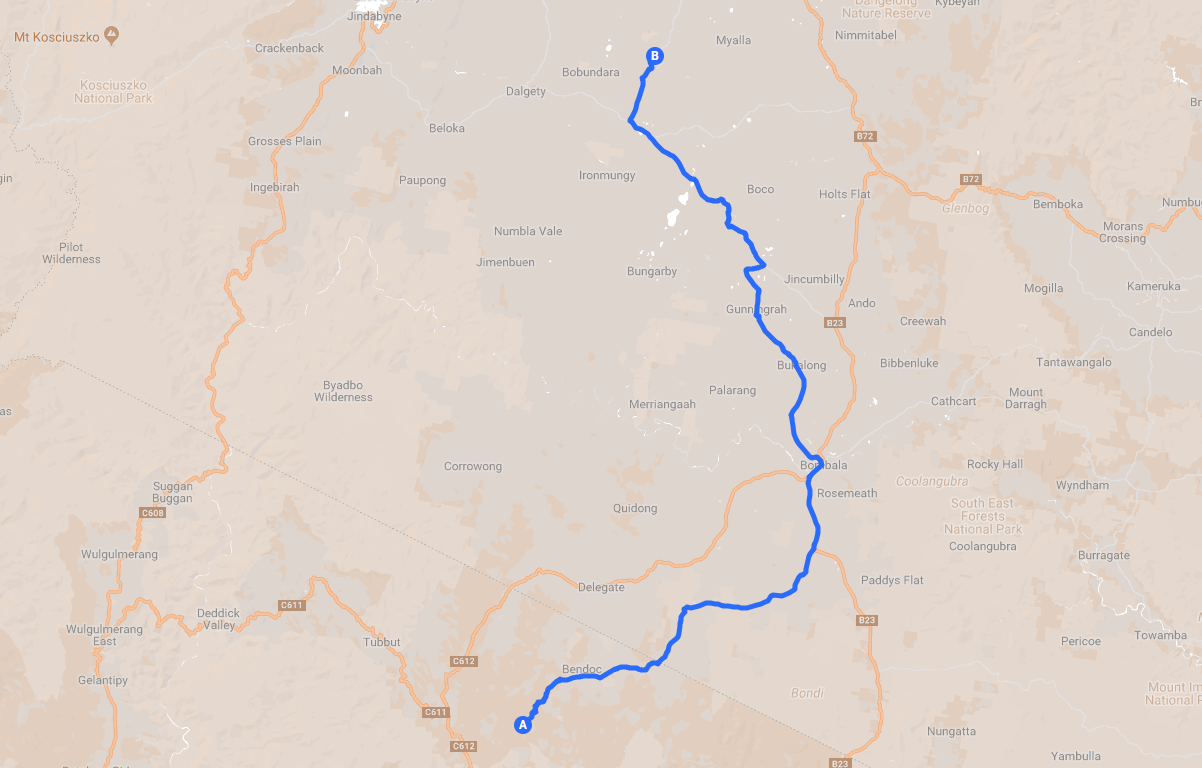
Stage 6: epic.
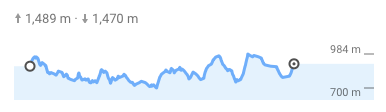
Stage 6 profile: big but glorious climbs out the back of Bombala in the evening light and then darkness.
I wanted to get an early to hit the solo road again. But I wasn’t thinking 4am as the first logging trucks backed up to the coupe to pick up their pines. Early bird gets the borer worms. They were heading to the Bombala mill, but then to where? Perhaps I would see them on the road.
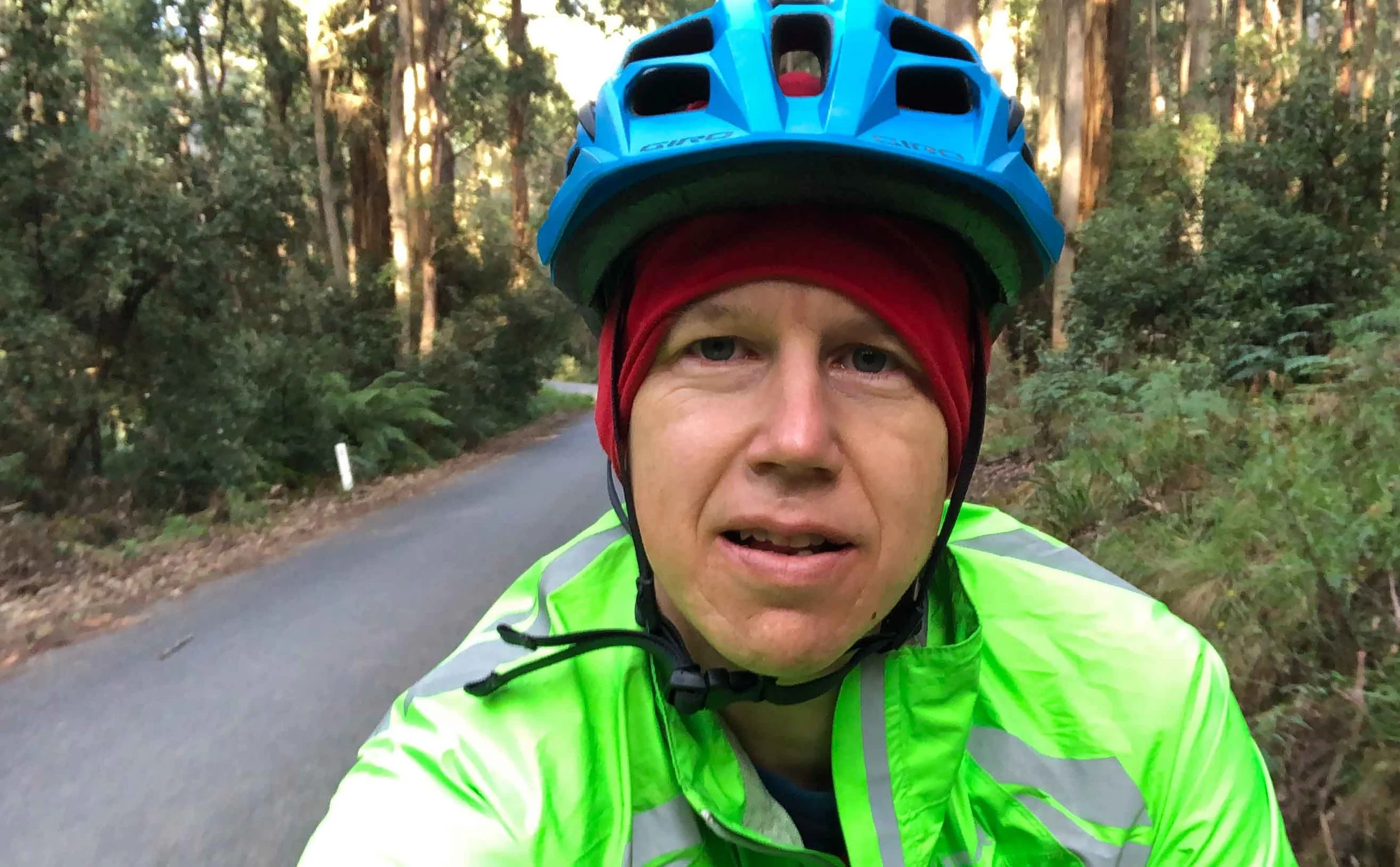
Cruising down from Delegate River in the steely fresh mountain air.
The boys and their flashy bikes were out at 7.30am and I was left to my retro but steady Gary Fisher. The air was crisp and steely as I slid down the hill to Bendoc, the gold town that time forgot. Like a lot of towns, there were hints of gold in 1850s, a pub by the 1860s, and, when all that drinking died down, a scattering of foresters. Sound familiar? I haven’t met many foresters who don’t drink though. The name Bendoc comes from Ben’s dock where pastoralist Ben Boyd brought his cattle to a dock on the river. Or from local lingo ‘wagra benduck’ meaning ‘noise in the trees’. Take your pick. As I stood there staring at the butt of a massive 92m shining gum at the entrance to town the noise in the trees seemed to have died down.
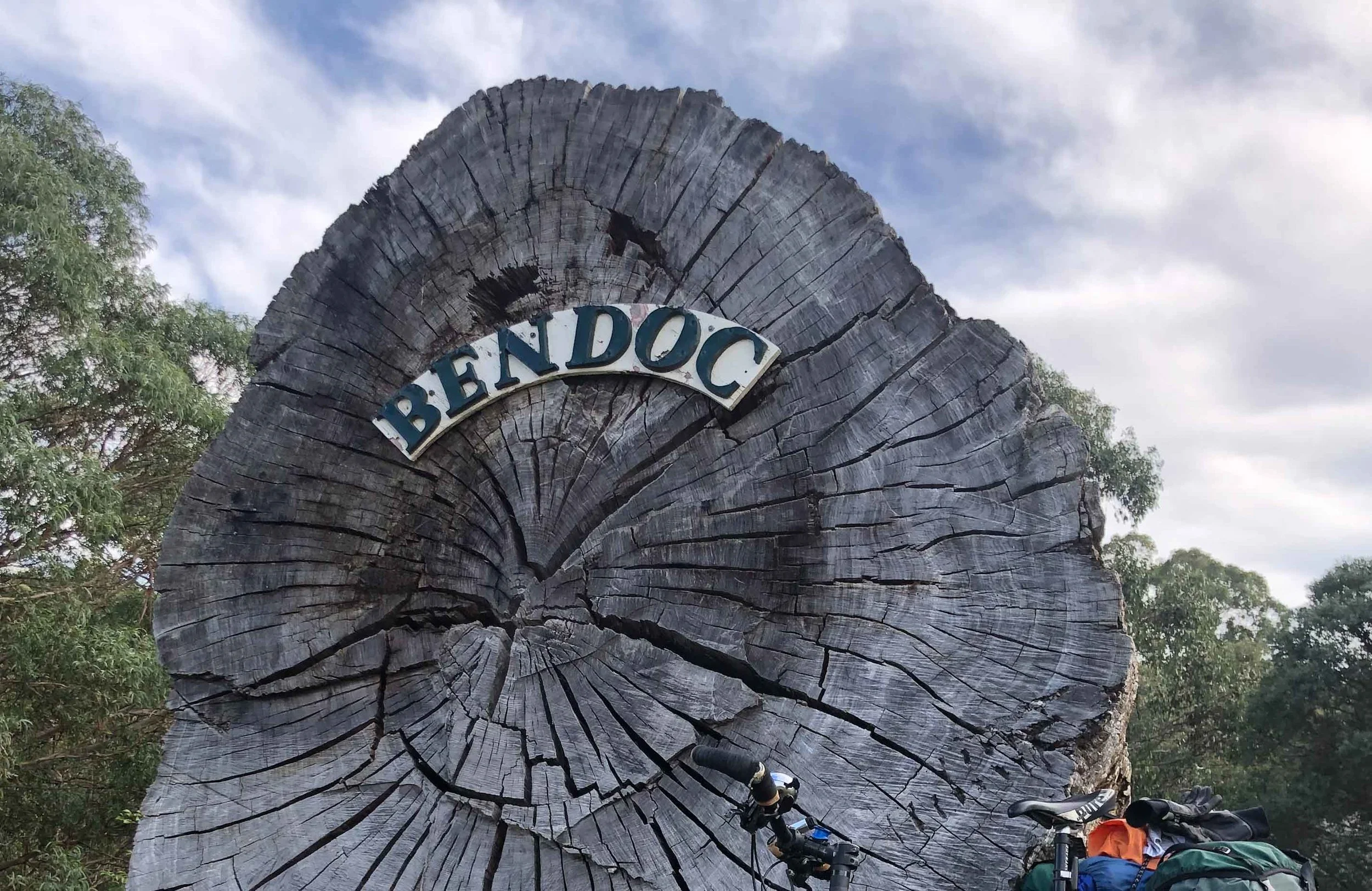
Remnant from a 92m daddy from the good ol’ logging days.
My little fingers were dying down too and it was time to get some wind through the spokes. I pulled the beanie over the ears and cranked out along the Lower Bendoc Rd. A few corn thins with some cheese and peanut butter in the diesel tank. I stepped on the pedals to slosh it around and waited for the heat to seep into all the joints and turn on the symphony. Like sun on the solar panels. Maple syrup on steaming pancakes.
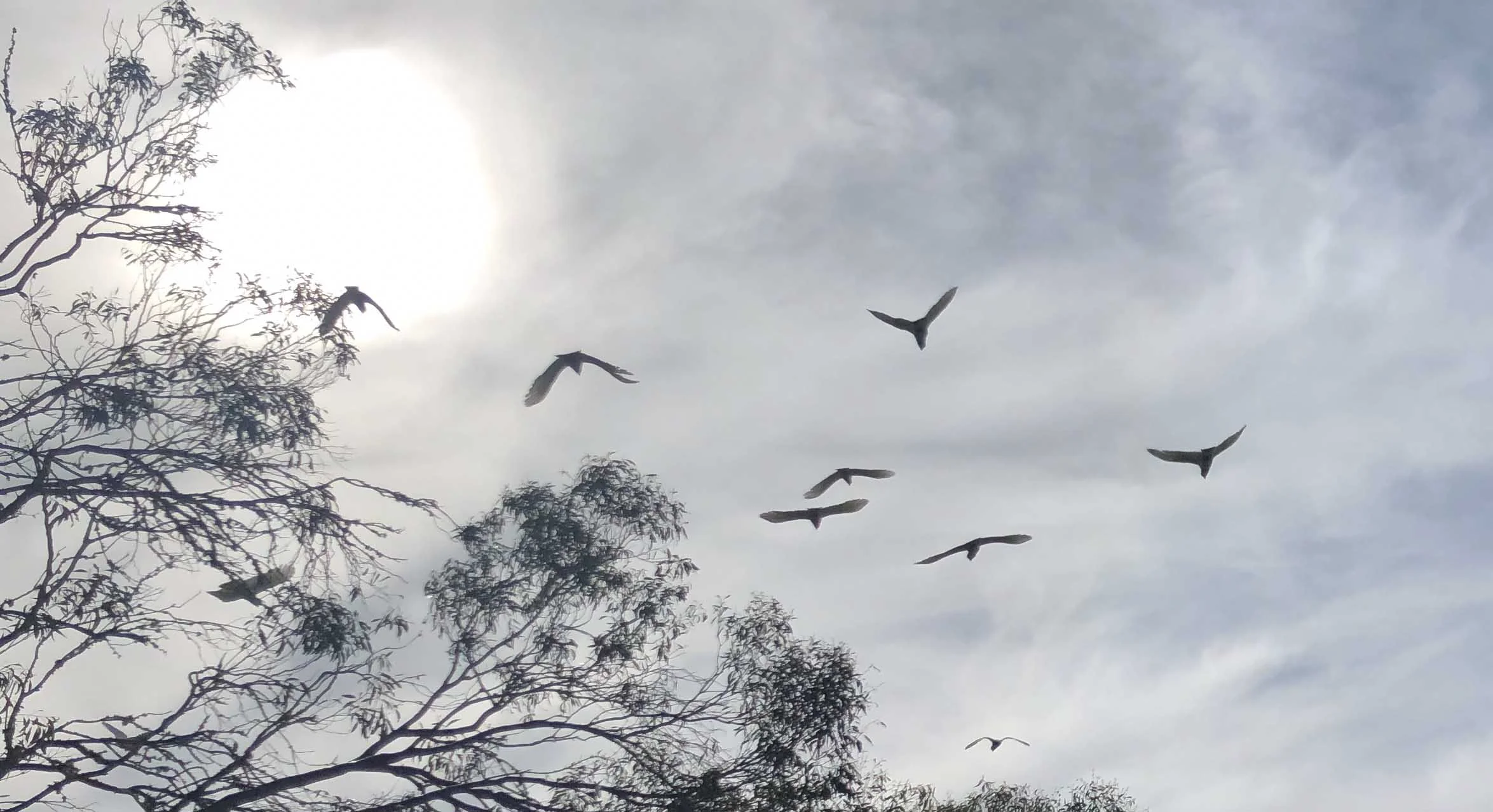
I was being followed. Each way I looked big black beady eyed choughs were drifting above. I wasn’t sure if they were keeping me company or waiting to poke my eyes out. I looked down and a couple of butterflies had nestled on the bike frame, constantly flapping about and resettling. A little further along a clattering of cockatoos hovered overhead with their scratchy squawks. What were they saying? In the paddock beside me some horses whinnied and bolted along the fenceline, their autumn jackets flapping in the air as they charged alongside. Suddenly, they were blocked by another fence and pulled up, staring at me. ‘Ride far and never fear the spills and watch out for those big trucks’ they snorted. I whinnied back. It’s amazing how your senses sharpen when you are all alone and animals are all around. Had providence intervened? Was it some kind of warning? Why were all these animals paying attention to me?
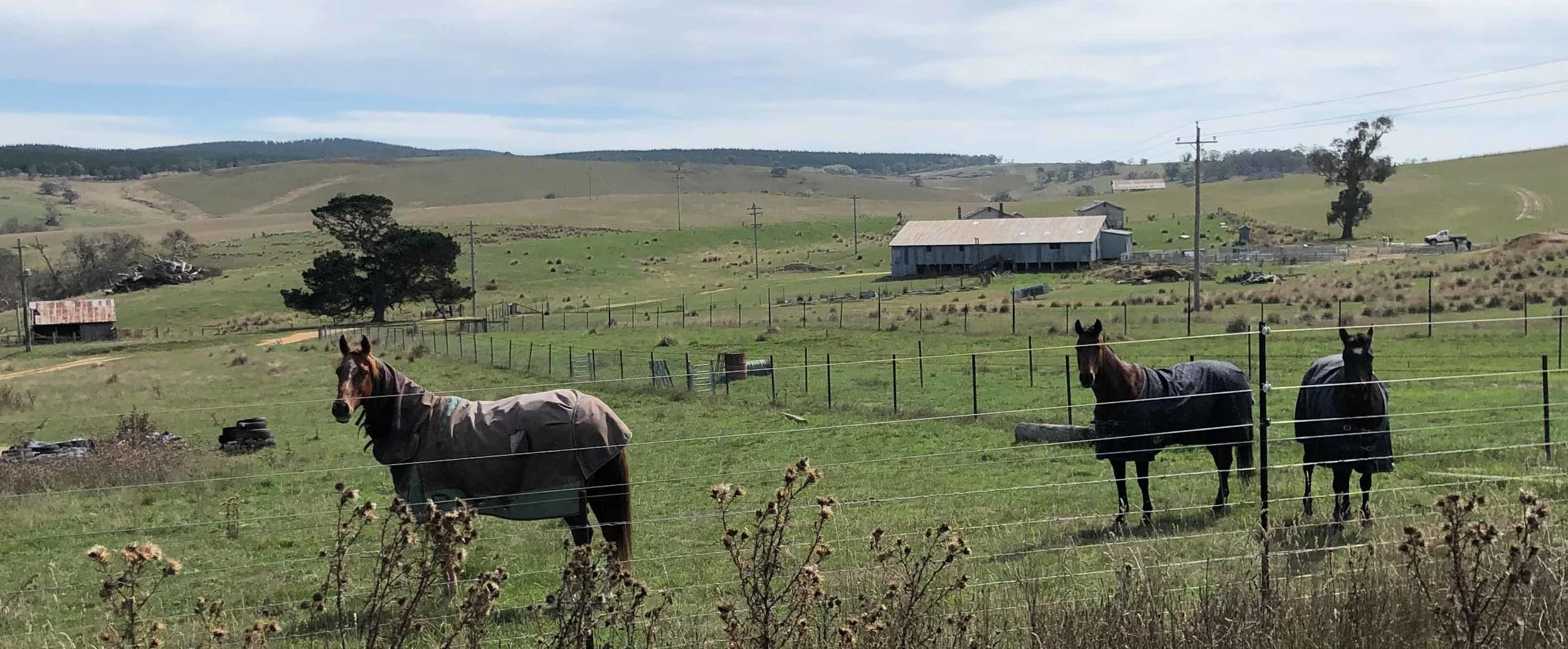
The mountain forests gave way to the mysterious and misunderstood Monaro High Plains - beautiful but desolate grasslands stretching out as far as the circular earth allows. The great Australian feeling of infinity. The plains are ancient volcanic fields of basalt, up to 200m deep in places, and are naturally grassland with small clumps of trees - perhaps this has something to do with the frosts that grip the plateaus at 1000m. They also include endangered natural temperate grasslands with tussocks and forbs. Not for the sheep though - they prefer the imported varieties with their green pick. I stopped to bleat back at some sheep, a welcome respite from fat corrugations from those logging trucks. The sheep just weren’t that interested in me. Finally I could take off a layer.
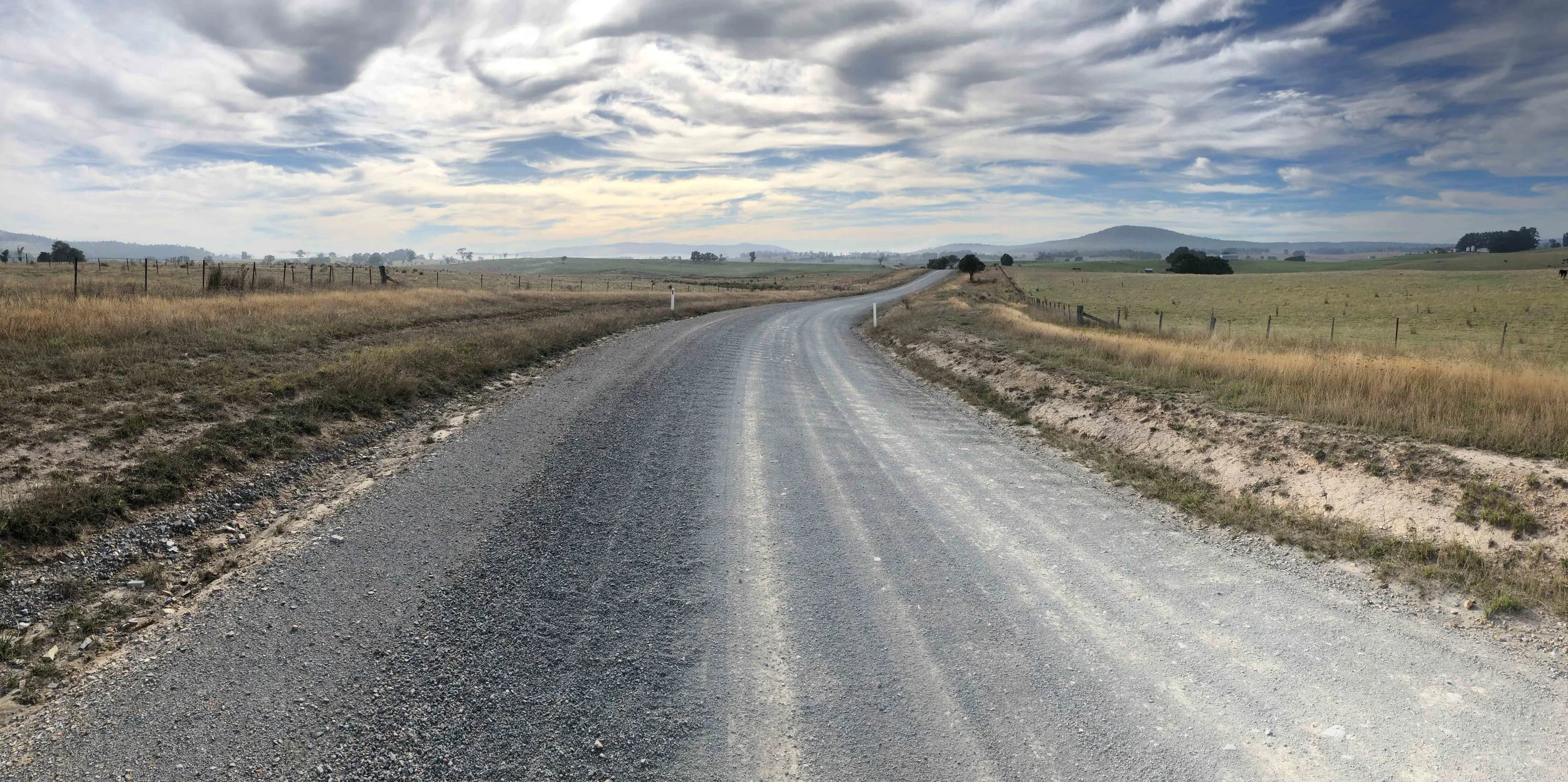
The Monaro High Plains with that Australian feeling of infinity.
The plains drifted towards some wooded country and finally it was time to leave Victoria. Thanks for the trees, the train and the providential winds. And the providential animals that took me to the border. What were they trying to tell me? I turned north into Big Flat Road and climbed up a big hilly hill into NSW. #aussiehumour. As I wound my way up the coils of that hilly spring I turned that peanut butter into bike engine diesel.
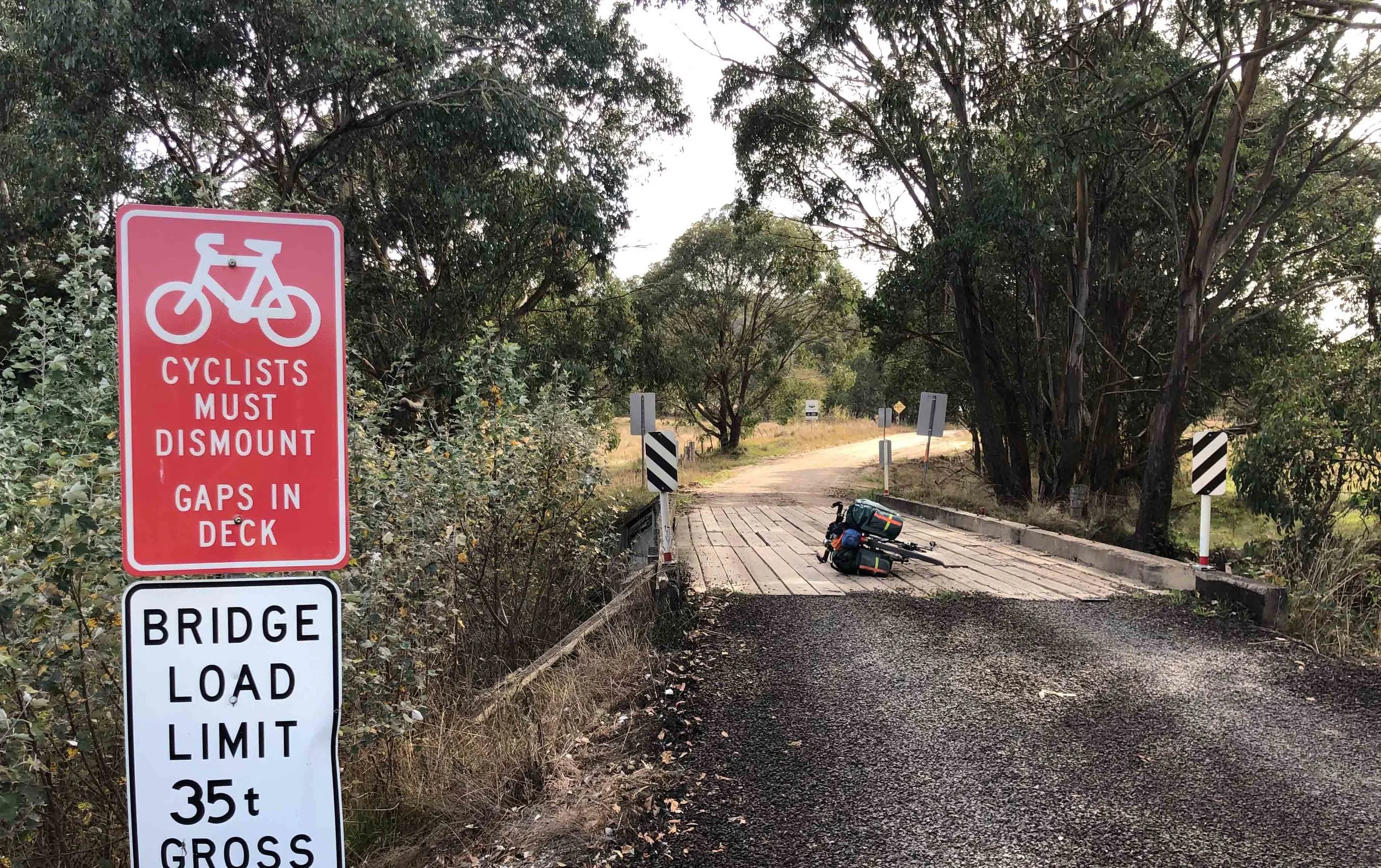
Don’t say that cyclists are not looked after out here. Crossing the Bendoc River just before heading into NSW.
Just like all clouds have a silver lining, all hilly hills have a dashing descent. I slid down into the ancient civilisation of Craigie, population one old church and a few houses. I wondered how the early settlers mixed with the Ngarigo people? The St Stephens Anglican Church. It was built in 1884, a little while after things started happening in Delegate. It’s pretty quiet now, just my bike leaned against it and the sound of me munching on my last nuts bought from an organic wholesaler in Melbourne. At it's height, over 5,000 Chinese were panning for gold here. Where are they now? I could sure use a Chinese restaurant. I wonder about all the people who shuffled through the cute wooden doors to gather here.
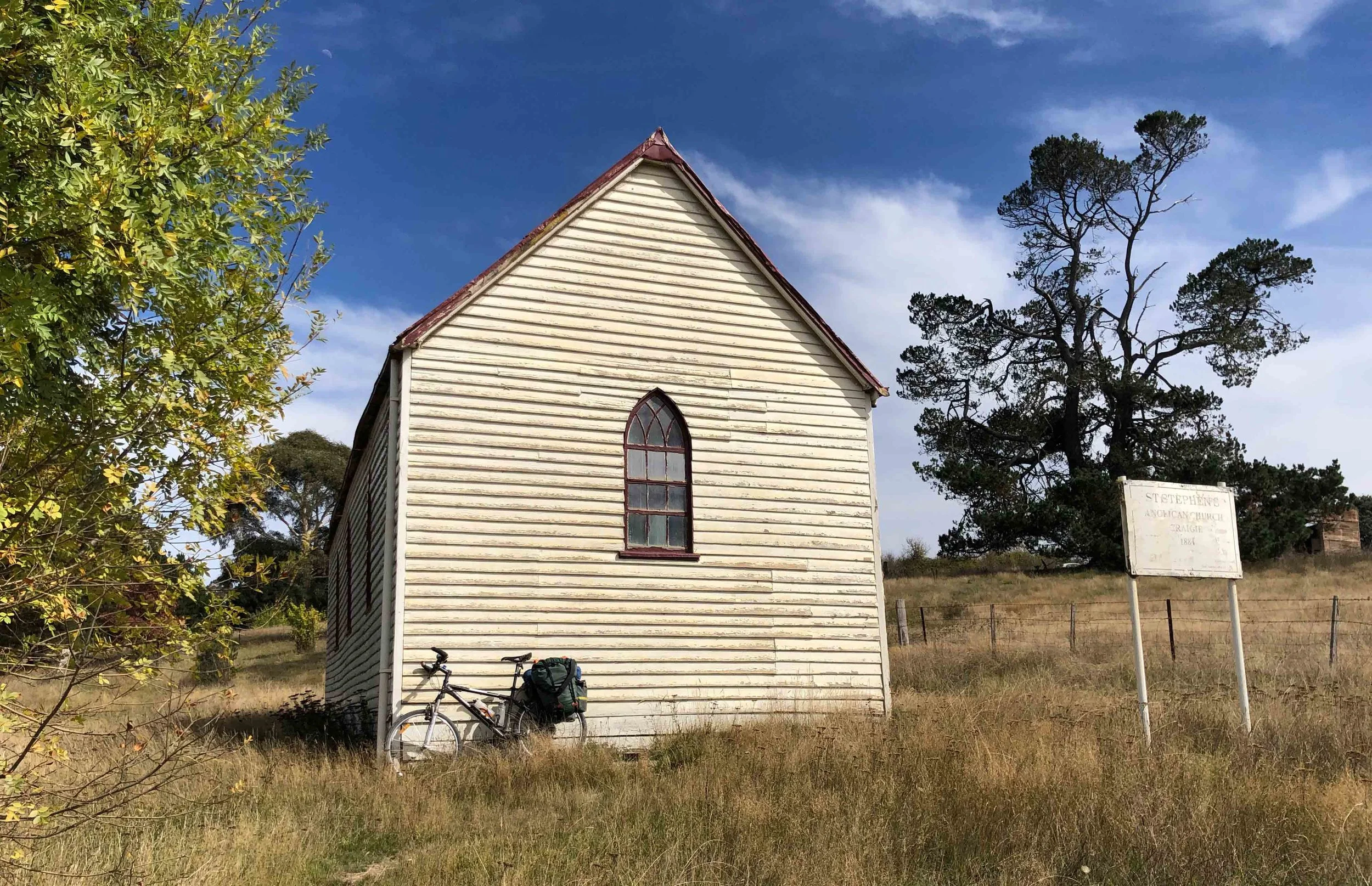
The Anglican church in Craigie NSW, built in 1884.
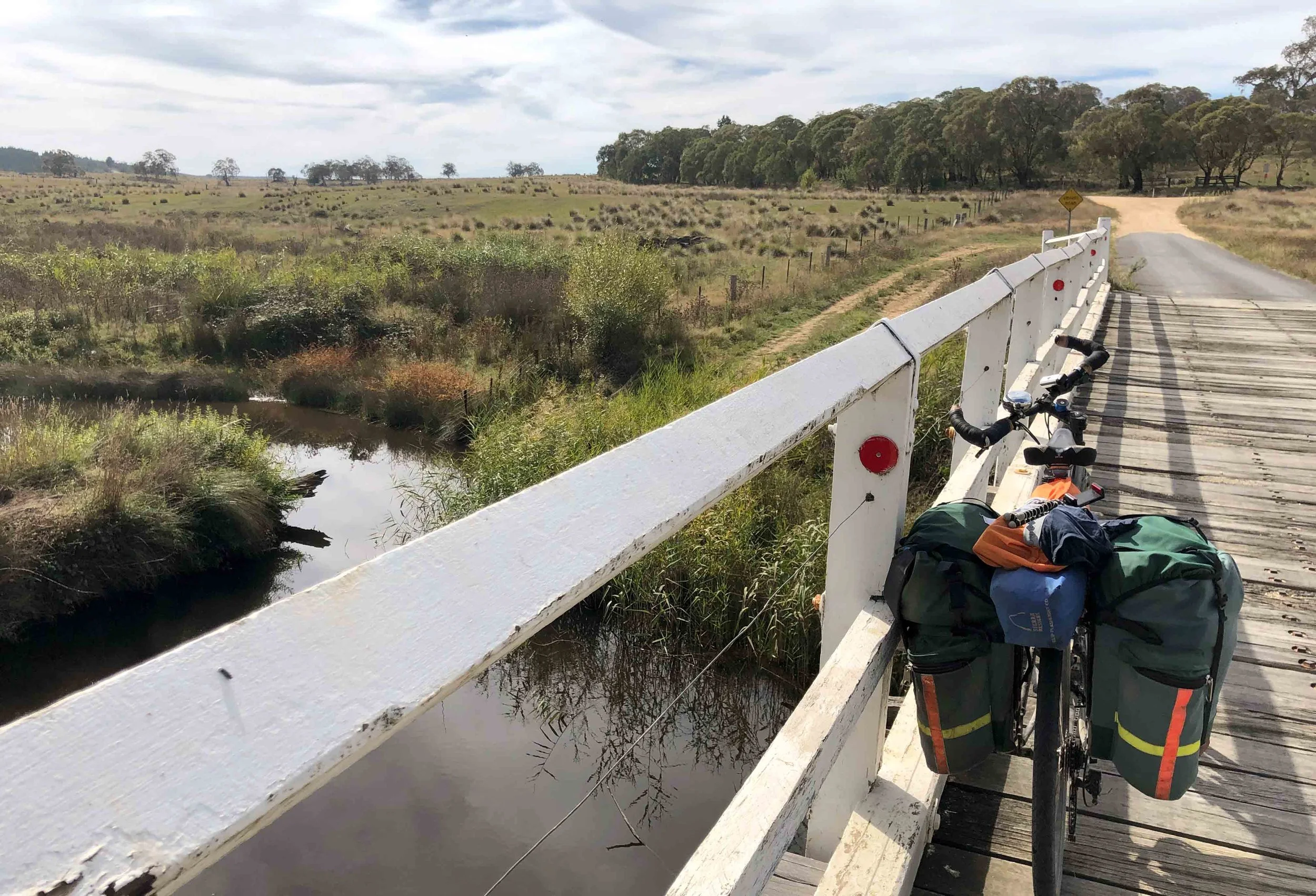
Old wooden bridge still in use near Craigie, NSW.
Onward ever onward the wild plains held their sway, until the pine plantations grew straight and long and wide. First the big fat trucks then the tall cloned trees heralded pine country. These Californian pines leach the soil and don’t support a lot of biodiversity, but they do grow well in harsh country and produce a lot of timber on small plots of land. If we are going to reduce native logging, we will need more plantations of some kind. And pines are unreal for mountain bike tracks. It took me back to the nostalgic days of Tumbarumba, climbing ricketty ladders and pruning the pines. All for what? “Let’s just say it was character building,” a forester would say many years later about us spending hot summers turning feral in the forest. I stopped for some communion and to check how well the knots had occluded on the lower trunk: definitely no pruning here. There is a Blair Witch beauty on the shaded floors.
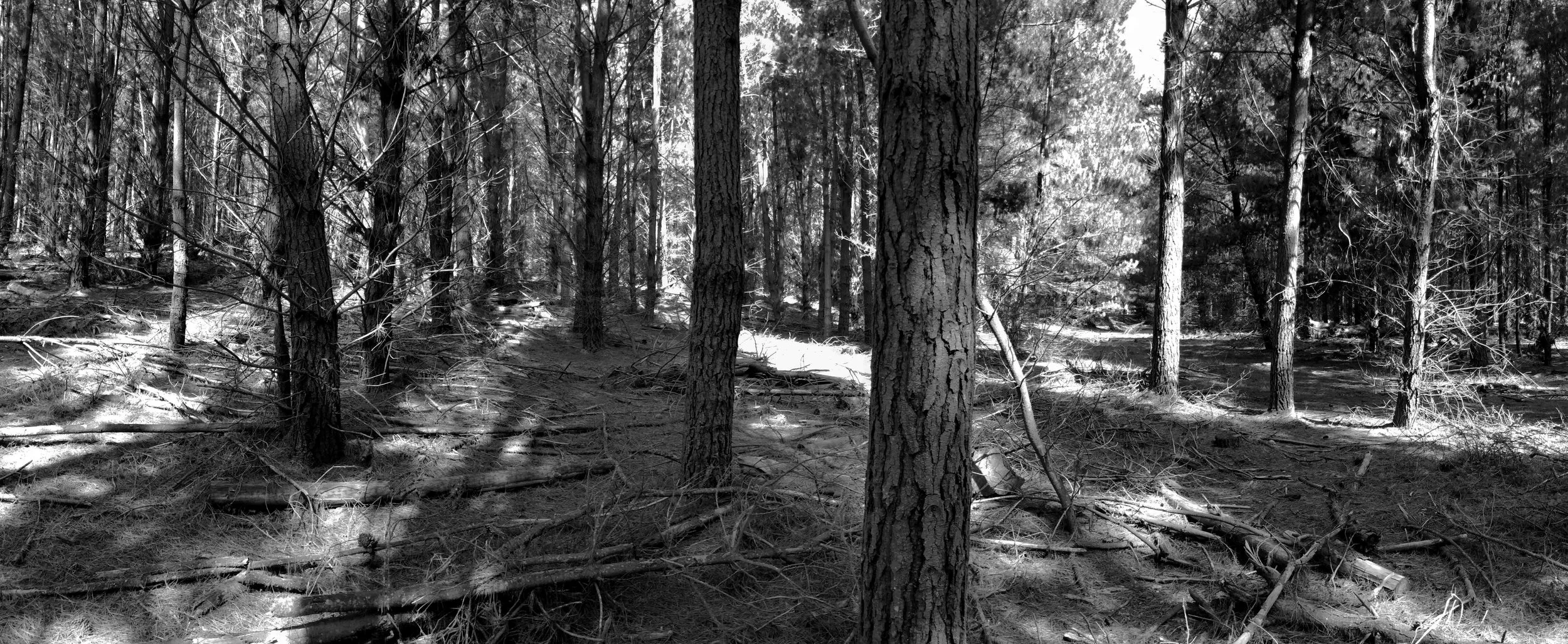
The Blair Witch pine forests of Bombala.
Suddenly I’d pounded out about 50 clicks on the wild plains and jumpy forest roads. Sagging. Hungry. Portmanteau hangry. Finally, I reached the newly sealed road at Mila and only had about 10k to go to reach Bombala. I ground my way towards the Monaro Highway, yielding to B-double trucks but not yielding to the endless upward slopes. I wasn’t feeling supersonic but Oasis held me on that hill and down the other side to my oasis at Bombala. Over 60k before lunch and the instant I saw it I knew the Cosmo Cafe was the place for me.
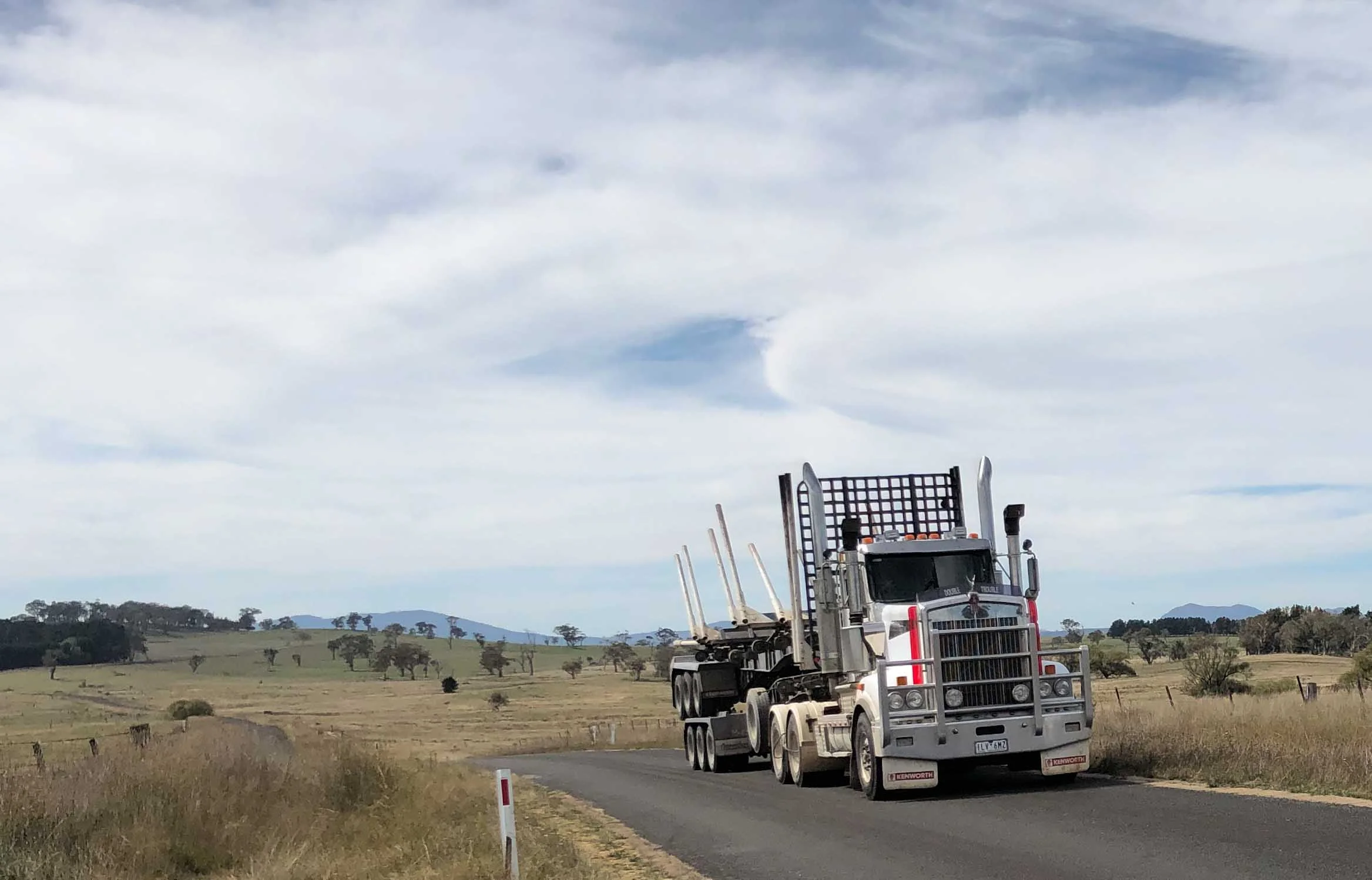
Big Kenworth after dumping its log load at Bombala. I’m outa here.
……….
I found Climate for Change (C4C) when I was looking to step up. Something about that first volunteer session with Katerina resonated with me. I’ve thought a lot about why I keep going back. Here’s 5 reasons why I do:
1. Keeps me focused when it’s easy to look away
Acting on the climate crisis is hard. Remember how hard it was to finish that story in primary school? The essay in high school and the thesis at uni even harder. Writing a book is a step up again. And then imagine writing down all the world’s knowledge in wikipedia - you couldn’t possibly do that alone. The climate crisis is like that - it’s just easier to look away than fix all the world’s problems by yourself. But now attending our monthly trainings is my most favourite night of the month when I always leave recharged, inspired with new ideas and ready to focus. At the same time, C4C reminds me why I want to act on this crisis - the things we stand to lose and the unfairness that only a few of us are mostly responsible.
2. I’ve learnt more at C4C than anywhere else in last 4 years
C4C has taken me outside my comfort zone but in a way that has been invigorating rather than threatening. This is when we do our best work. I’ve learnt about asking, making movies, challenging positions, facilitating quizzes – all skills that are useful in work and life. Perhaps, most importantly, I’ve learnt about myself: why I think in certain ways, why I am doing this, why I am good at some things – and my friends: do they care, why do they care, where are they on this journey. I’ve challenged myself and learnt more at C4C in the last 4 years than anywhere else.
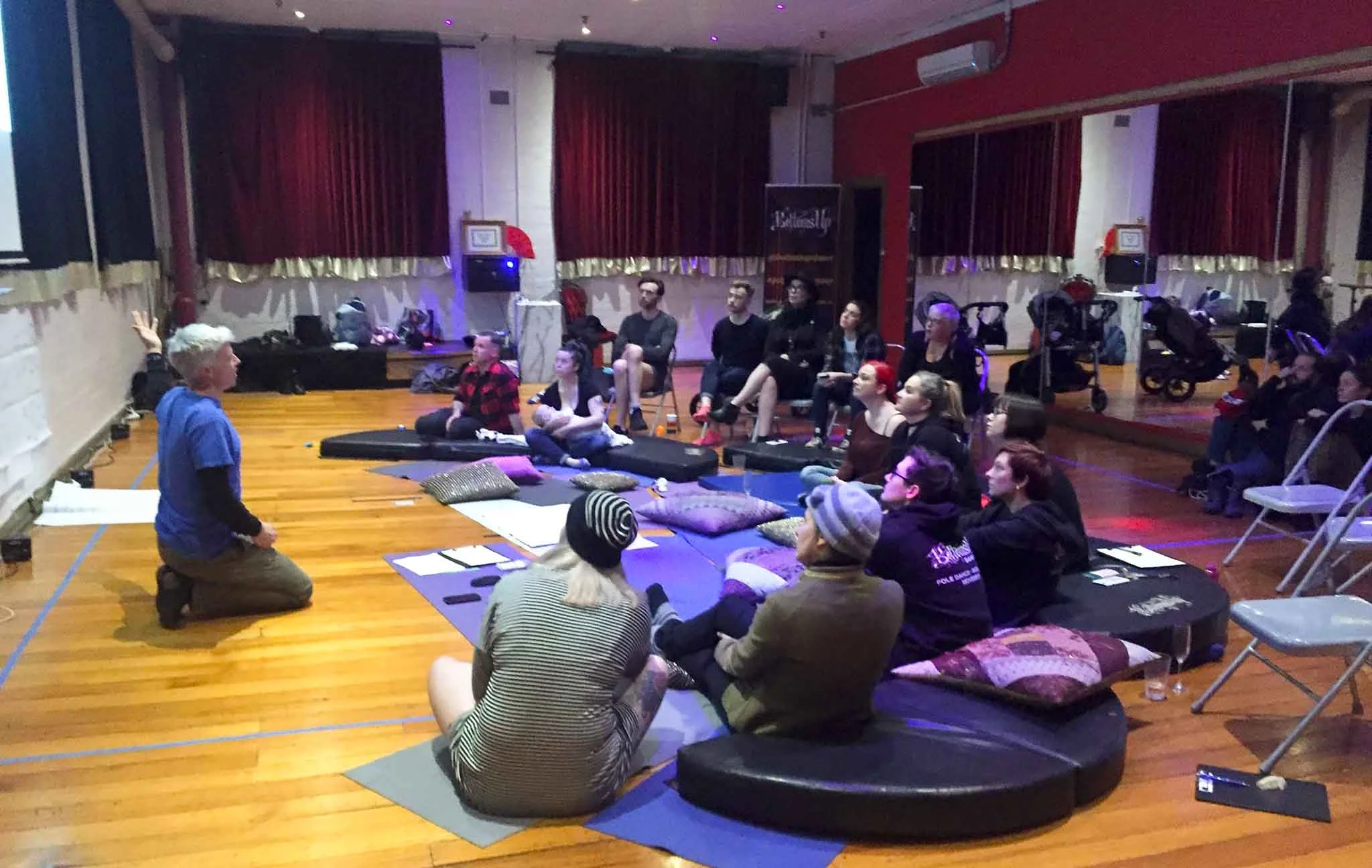
Conversation in Brunswick studio in 2019.
3. Fundraising has helped to break down the climate silence around me
Fundraising has given me a back door to engage friends and family in a fun way on this issue which really is no fun at all. I’ve fundraised for the last 4 years for C4C, and each year I’ve had more fun and gained more permission to speak about climate change. Even if ‘climate is not their thing’ people ask me how it is going and talk about the issue. And more than that, I get back the love: “I absolutely LOVE your video, it got (more) smiles and tears out of me, so I hope you are happy with it!” How many things give you that?
4. Brilliant authentic people
Katerina. Imagine giving up you job to start a new organisation and having the belief and perseverance to see it through? That’s what Katerina did. Peter. After learning facilitating, Peter combined his passion for climate justice with his love for cycling and started Adventure Cycling Victoria. Hopefully, I’ll get to ride to Canberra with Peter some day soon and learn more from him. Serena. Fresh from our summer fellowship, Serena kicked on to become an energising staff member and facilitating great. Imagine having that poise and purpose in your 20s instead of just having a good time? C4C is full of these kinds of brilliant, inspiring people that make you want to live life in a purposeful way.
5. What we do has impact
It’s incredibly difficult to measure impact on social change and action. Constant anecdotes of the climate incurious who gave us a Christmas donation, the sceptical father who became a beach cleaning champion and the reluctant flatmate who took up protesting with gusto are energising but not enough. That’s why we are currently undertaking an evaluation of our program to see if we can sharpen and accelerate our impact. One thing that continues to impress me is that we are bringing new people into the conversation: the Flannery and McKibben tours attract the usual suspects, but we genuinely talk to new people in deep conversation who would never go to public events. People constantly tick on our surveys they are not signed up to any environment organisation. Over 9,000 people have attended our conversations. On a personal note, it’s had a huge impact on me and my thinking. I have a glow of satisfaction of contributing to something that builds community and meaning. A bit too gushy? Check this out it from super-facilitator Nell up on the Sunshine Coast:
……….
“Do you mind if I join you?” Andy asked as I shovelled down my giant Cosmo breakfast for lunch.
“Sure thing, take a seat”, I offered, always intrigued when someone looks like they want to tell you something.
“I might not look like it, but you are sitting with a Japanese martial arts grand master. You didn’t expect that did you?”
“Hajimemashite!” I blurted out (pleased to meet you). “Tell me more,” not realising Andy did not need any encouragement.
“I grew up in Sydney after the war. We had Japanese neighbours because the father was the consul-general in Sydney but no one would speak to them. As kids you know, we didn’t follow the rules of the parents. I used to play with the kids in the street, a bit of cricket and stuff. Every evening at about 5.30 the kids would be called in and I would go home. The parents were wary of us kids.”
I showed my attentiveness and Andy continued.
“Because I was a bit friendly with the kids, one day I went with the Japanese family to a local park along a creek. We were walking along the creek when somehow one of the kids fell in and panicked. I was a good swimmer and I immediately jumped in after him and helped him to the side. I didn’t know that nobody in the family could swim!
“I didn’t think it was that big a deal but the next day the parents came over to our house and knocked on the door. They had never done that before. They were welcomed in by our parents and in very stilted english they just kept thanking and thanking my parents for saving their son’s life in the park. They left all these sweet gifts.”
I barely had time to chew as the story kept unfolding.
“Things changed after that. They really opened up to us. Our parents would wave at each other. My mum used to bake cookies and I would take some to their door. Sometimes I would even go to their backyard and play with the kids. They told me they had to practice every night and that was why their father called them in. Sure enough, dad would call out and I would go home. I began to wonder what they were doing in there.
“One day when I was playing in the backyard, the father came out and asked if I wanted to come inside with them. I gleefully accepted. I didn’t know what to expect. When we got inside the kids went to a room and put on their gi or robes and came back to practice aikijutsu [a defensive Japanese martial art based on throwing and grappling]. They bowed before their father who was giving all the instructions for the moves. I watched transfixed.
“I used to go and watch practice a few times after that and then one day the father asked me if I wanted to join in practice. ‘Yes!’ I said and put on the gi. I had so much to learn but I was hooked. I went to practice a lot after that.”
It was then that Andy’s story took an extraordinary turn.
“That’s what got me started on a 30 year odyssey of martial arts in Japan,” he said excitedly, “I trained with the best, eventually rising to grand master - one of the few outsiders to do so. When I go back to Japan now, I get treated like royalty - you know, limos and hospitality from the airport and all that. I got invited by one of the highest grand masters to be a samurai. Outsiders are never offered that.”
Finally I got a chance to say something. I had so many questions. So how exactly did you get to Japan? Did your family let you go? What did you do for a career? What is a legendary grandmaster doing in sleepy Bombala?
Andy brushed over these minor details. He was keen to show me his photos and led me out to his car. He had a whole album showing him in his gi wielding swords, teaching students and posing for photos. As if to staunch any doubts I might have, Andy challenged me to test his strength. He assumed a position and I had to try and move his arm. Sure enough, I couldn’t budge him an inch. Andy said this kind of inner strength or kI was a deeper skill that took a lifetime to perfect.
Suddenly 3 hours and 3 bottles of water had passed. This is the kind of lunch you can have on a sunny autumn day in Bombala. I had to get out. I gracefully exited Andy’s firm clutch, got a frittata, loaded up with bags of water and hit the road. “Drop by any time,” Andy implored “and we’ll get the swords out.” It was 4.30.
As I rode out of town, swords flashing across my field of vision, I realised that he had put an elation in my step, made me feel taller, made me feel like I was in on some local secret. Maybe with a little bit of his ki I could climb this hill out of Bombala and make it to Canberra by Saturday. I could do it. Maybe when I got home I would take up aikijutsu.
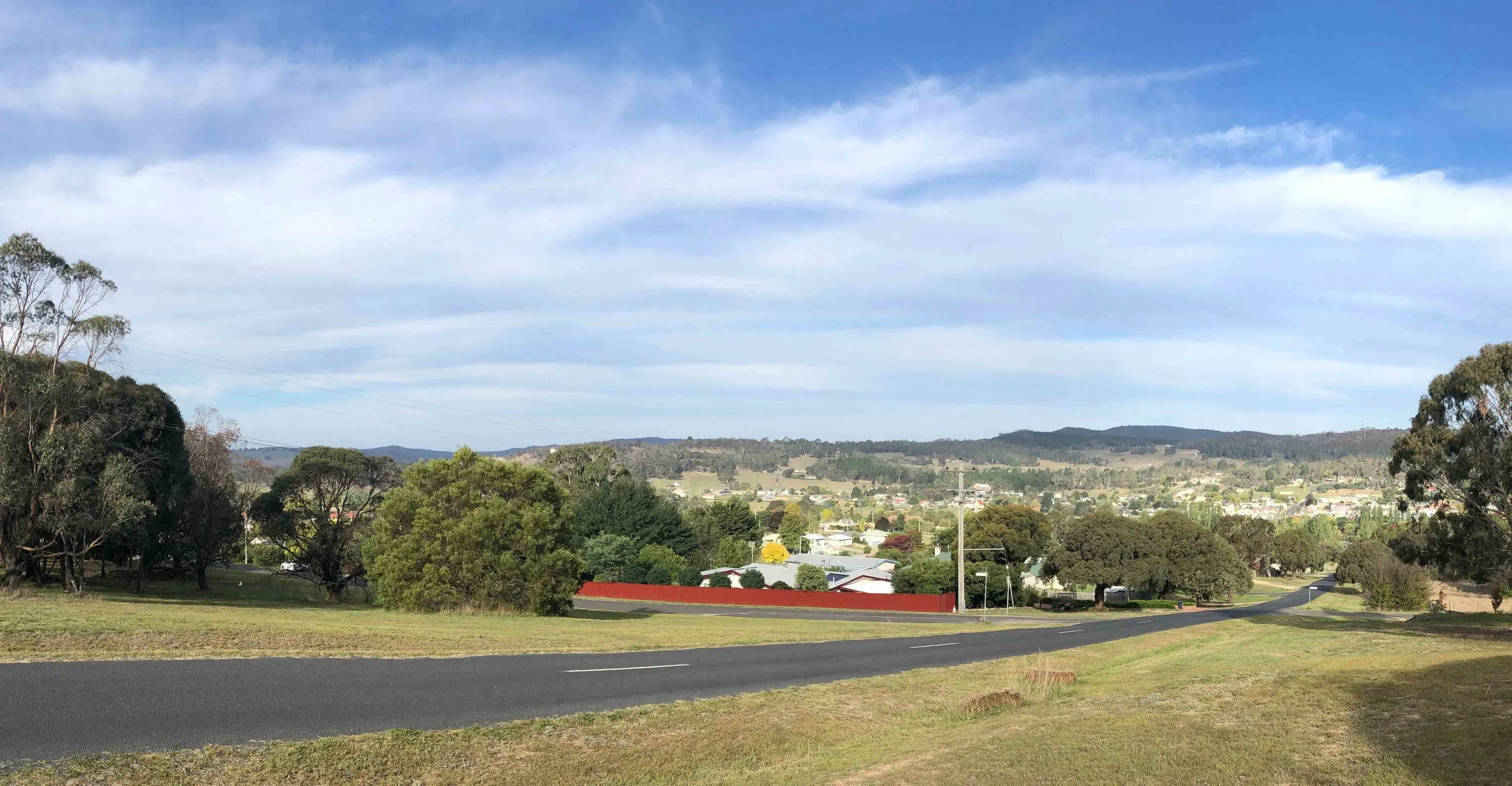
View back over Bombala after scaling the steep Plunkett St.
It’s a cracking hill out of Bombala. I faced the full force of Plunkett Street with a heavy load of food and water to get me through the evening and into the next day. Can’t rely on finding good water on these dry high plains. Gunningrach Road led up to a high ridge with vistas through the pine forests, treeless fields and bleeting sheep. Dams were dazzling jewels in the soft afternoon light. The cycling dream time.
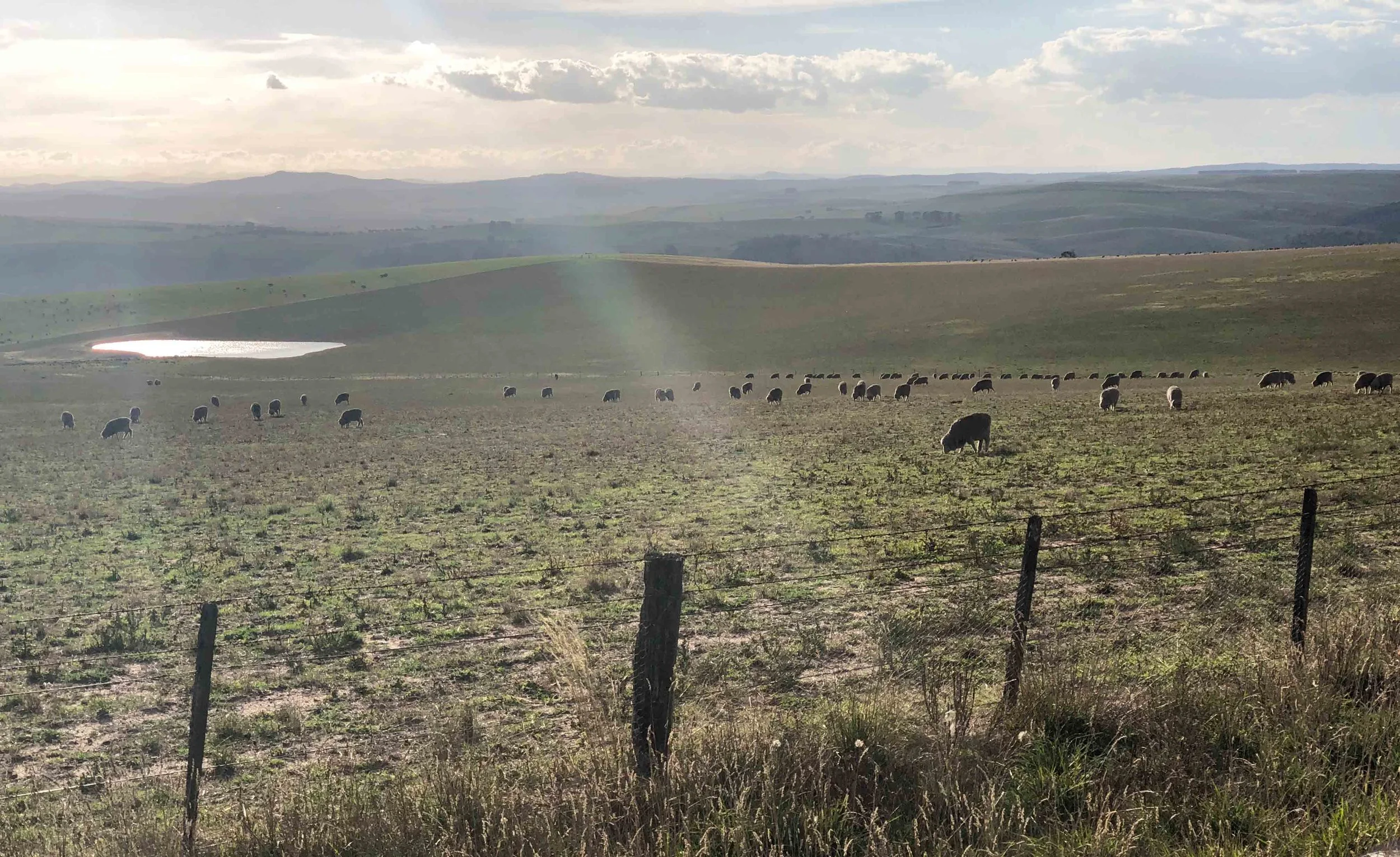
The high fields to the north of Bombala on Gunningrach Rd. Trees anyone?
I passed a pair of sheep dogs chained to posts. They looked at me carefully but otherwise didn’t flinch. As I was puzzling over these dogs, I saw mobs of sheep further up grazing on the road. The dogs were there to guard them. Unlike the samurai dogs, the sheep were completely startled by my presence and scattered in all directions. They really ought to do more meditation.
As I threaded my way through the bleating sheep I could feel the energy passing from the sheep to me. I looked from sheep to me, and from me to sheep, and from sheep back to me again - already it was becoming unclear which was which. I settled for more elation to go with the aikijutsu. I would need that on the lonely long road that stretched out ahead.
Bukalong. One of the those localities that looks much larger on the map than in real life. Apparently the current population is zero. What put Bukalong on the map and what took it off again? This is where the old rail alignment to Cooma splits to the north to cross Native Dog Creek and rejoin the Monaro Highway to Cooma. The keen beans at Monaro Rail Trail are campaigning hard to get this old railway restored for bikes and horses. Next time I will take the rail trail with its pleasant grades and glides (it better be finished). For now, I split left and kept on Gunningrach Rd wondering if I could still hear the steam engines whistling on the wind. It was just the pine trees, but I wish it was the steam engines.
Dim memories came flooding back. I had ridden this road in 2000, smooth tyres struggling on the long slippery climb out of the Maclaughlin River, and tense, tired muscles struggling in the fading light to make Bombala by nightfall. I didn’t make it but kept going anyway. And now here I was struggling in the other direction, hoping to find a camping cul-de-sac near the Maclaughlin River crossing by nightfall. Any chance of making it was fading fast. Where were my providential birds to help me now?
Further along the ridge the sealed road turned to dirt.
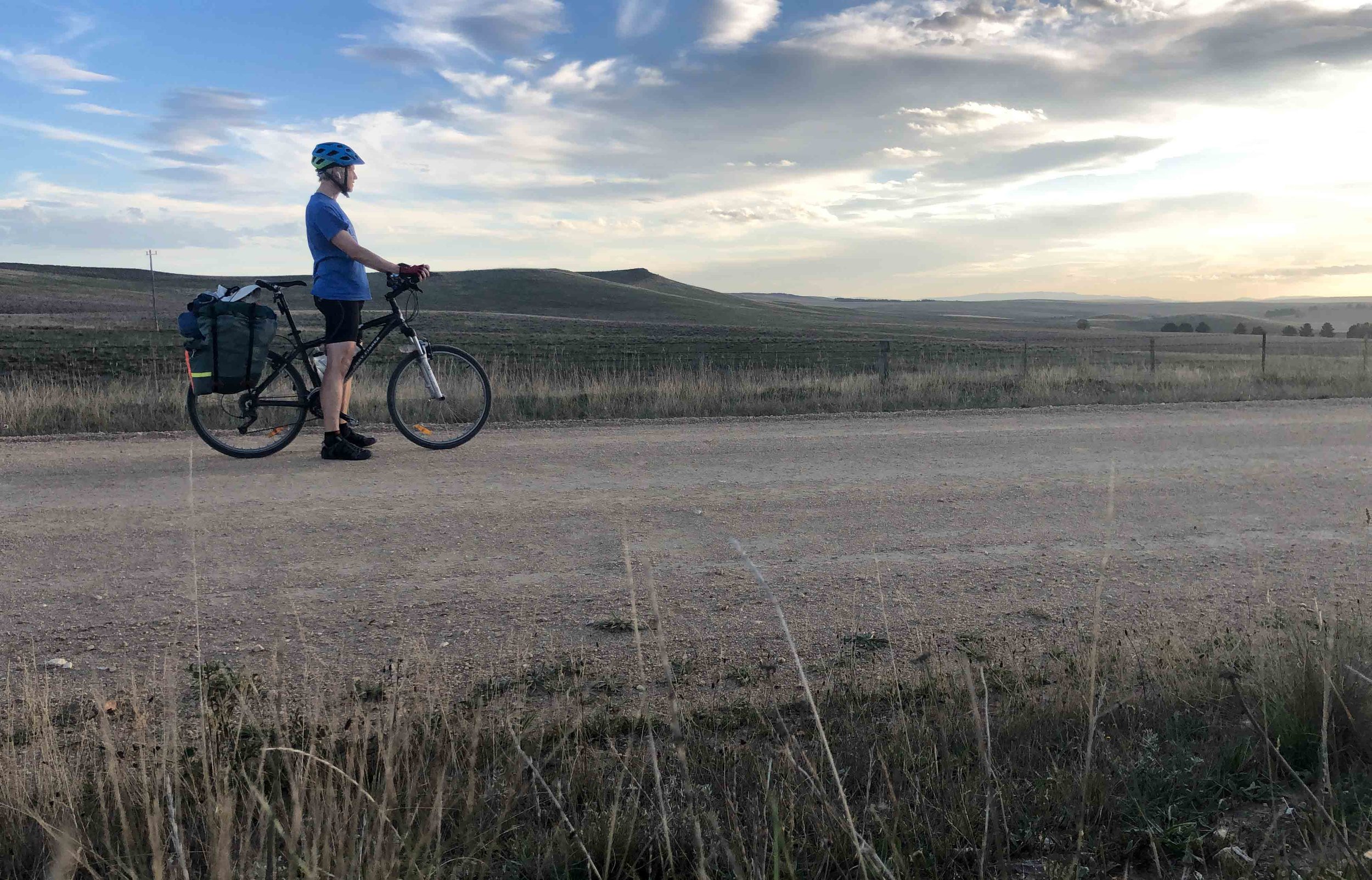
A little further the sun dropped and the road became a single car track.
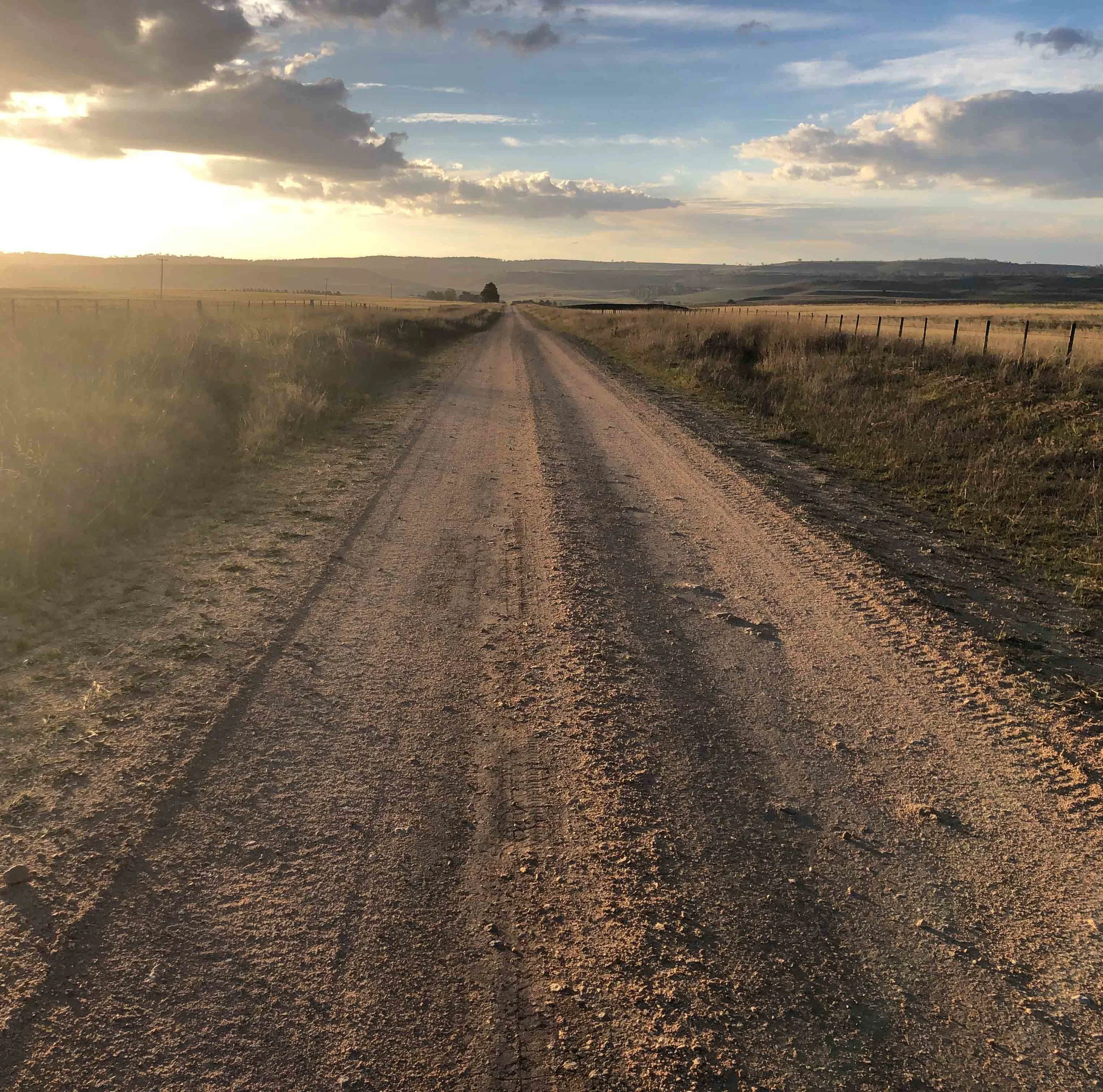
The final glints of sunset told me I wasn’t going to make it.
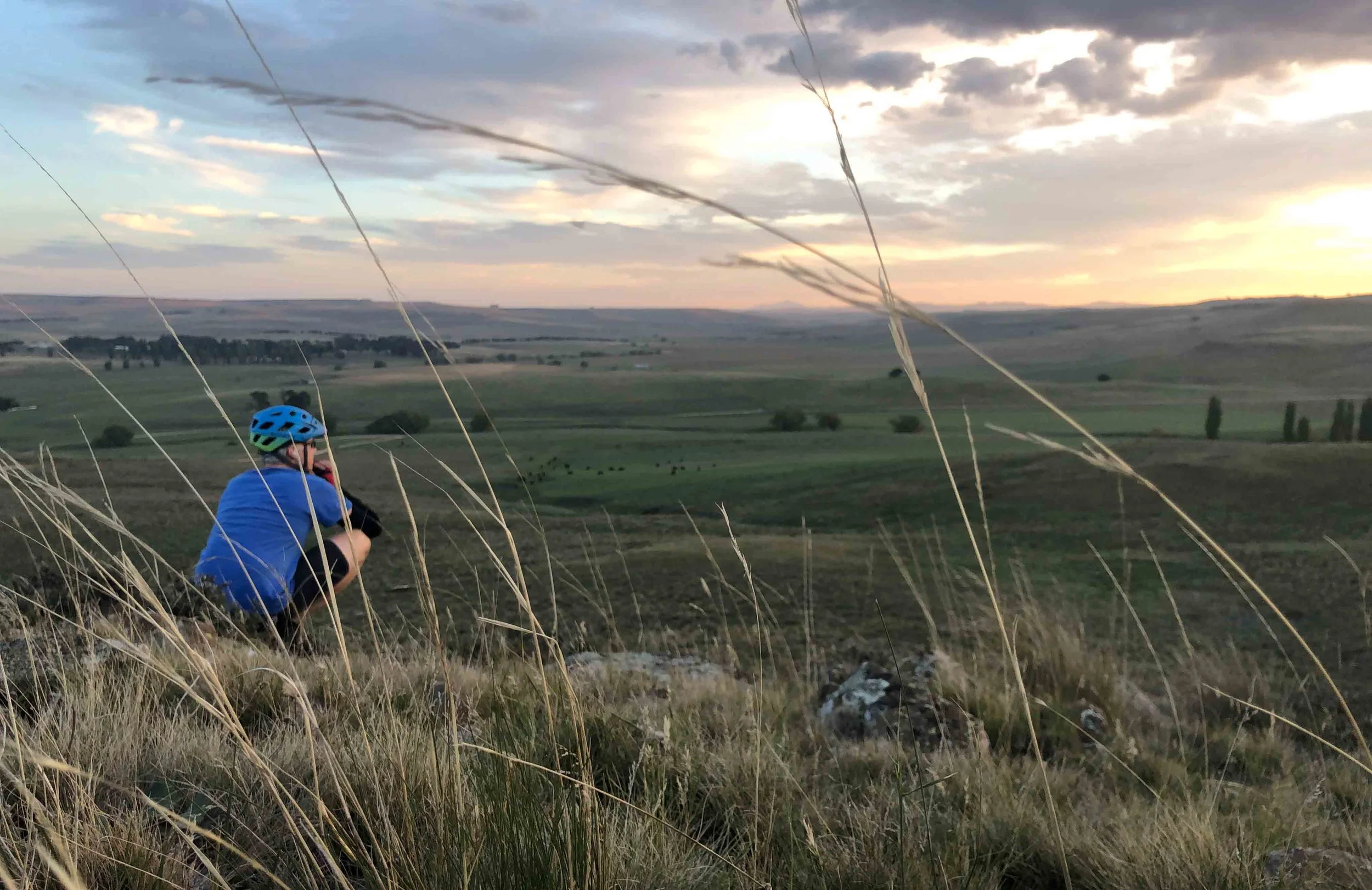
In a reflective mood I put on Citizens’ Climate Radio for company. Host Peterson Toscano blends his sweet and soporific voice with spare reflective piano and an occasional string flourish. It’s addictive. Americans are so good at storytelling. The episode explored apocalypse and fear. Slick comms and storytelling might seem like recent phenomena, but Aristotle wrote his 3 volume epic Rhetoric on persuasion a couple of thousand years ago. Old as the hills. Our current experts tell us that fear and anger don’t work to motivate. If fight or flight is not activated, fear is not effective. And yet fear is a key trigger to action for a lot of people.
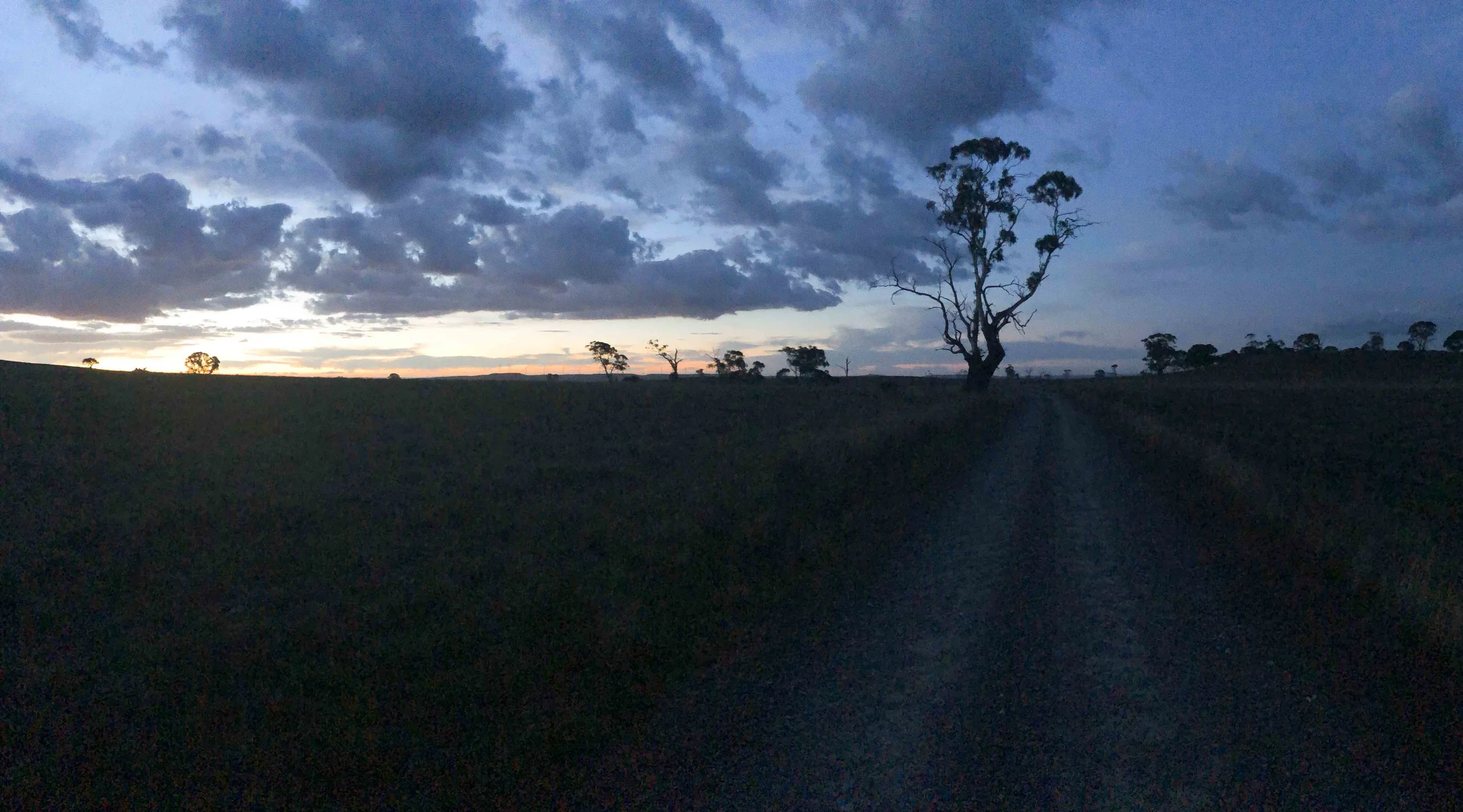
Final meanderings of Gunningrach Rd before it falls into the Maclaughlin River valley.
The stars were out now. A sure sign of night. The twinkling stars seem to grab our attention more than our changing climate. Maybe we should relabel climate change “supernova”? Way cooler. The endless dogged dirt and treeless fields just kept stretching out under the stars, offering no respite for the weary traveller. Where would I camp?
Google promised a road cutting the corner between Gunningrach Road and the Snowy River Way which led through a glade of forest - surely I would find somewhere to camp there. But at the precise corner, the road simply didn’t exist. Somehow the immense power of google and it’s global data sucking vacuum couldn’t understand there was no road there. All this power but my scrolling fingertips were angry. Surely someone could write an algorithm to get rid of roads that simply don’t exist? I pleaded with the twinkling stars.
I rode on to the Snowy River Way fearing the dirt descent and its rabid corrugations. But, amazingly, the road had been recently sealed and I sailed down the sweeping descent all the way to the Maclaughlin River crossing. I was sure I could see my porvidential birds in the twinkling stars. Free k’s! A big fancy bridge and no trees at the bottom. Just keep going. As Murakami says, don’t resist the flow. And I was definitely in flow and full of ki, the last of the frittata stoking the engine, and I was ready to find the highest tower and climb to the top. I really hated the climb out. It wasn’t so steep but with long aching curves that seemed to go forever. I was creeping over a hundred k for the day and I could feel that frittata frittering away as the climb kept going and going. A car came the other way with its massive beams and hyper speed. Even as someone passed the other way the enormous separation made me feel lonely. Another podcast would keep me company.
The next episode of Citizen’s Climate Radio had just dropped and featured Extinction Rebellion and their plan to bring London to a standstill by blocking roads and bridges. This approach is based on a philosophy that taking to the streets is the only way to create social change. If we can mobilise 3.5% of the population to take to the streets, history tells us change will be irresistible. London looks like ground zero to test this theory. Toscano’s voice was as soothing and healing as ever, but I am not sure he thought this was the way forward either.
Out of the climb, I could hear a whirring on the wind. What was that? Something between a bullroarer and a distant generator. The night was alive! Almost on top of it, a caught a glimpse of a giant spinning blade slicing through the night. I was in Blade Runner 2081, with giant industrial blades hurtling across the landscape like giant triffids. Helpfully, the Boco Wind Farm Project placed a sign beside the road to explain everything: 67 turbines fringing the ridge and producing 113 MW of energy. I stood below the tower taking in the relentless rotations layered on top of the soft evening breeze. Could these towers be annoying? Could the blades really break free and spin across the land? You would think so given some of the complaining, but it seems one of the outcomes of having a wind farm commissioner is that all the claims of wind turbine syndrome seem to have completely disappeared. Beauty is in the eye of the beholder.
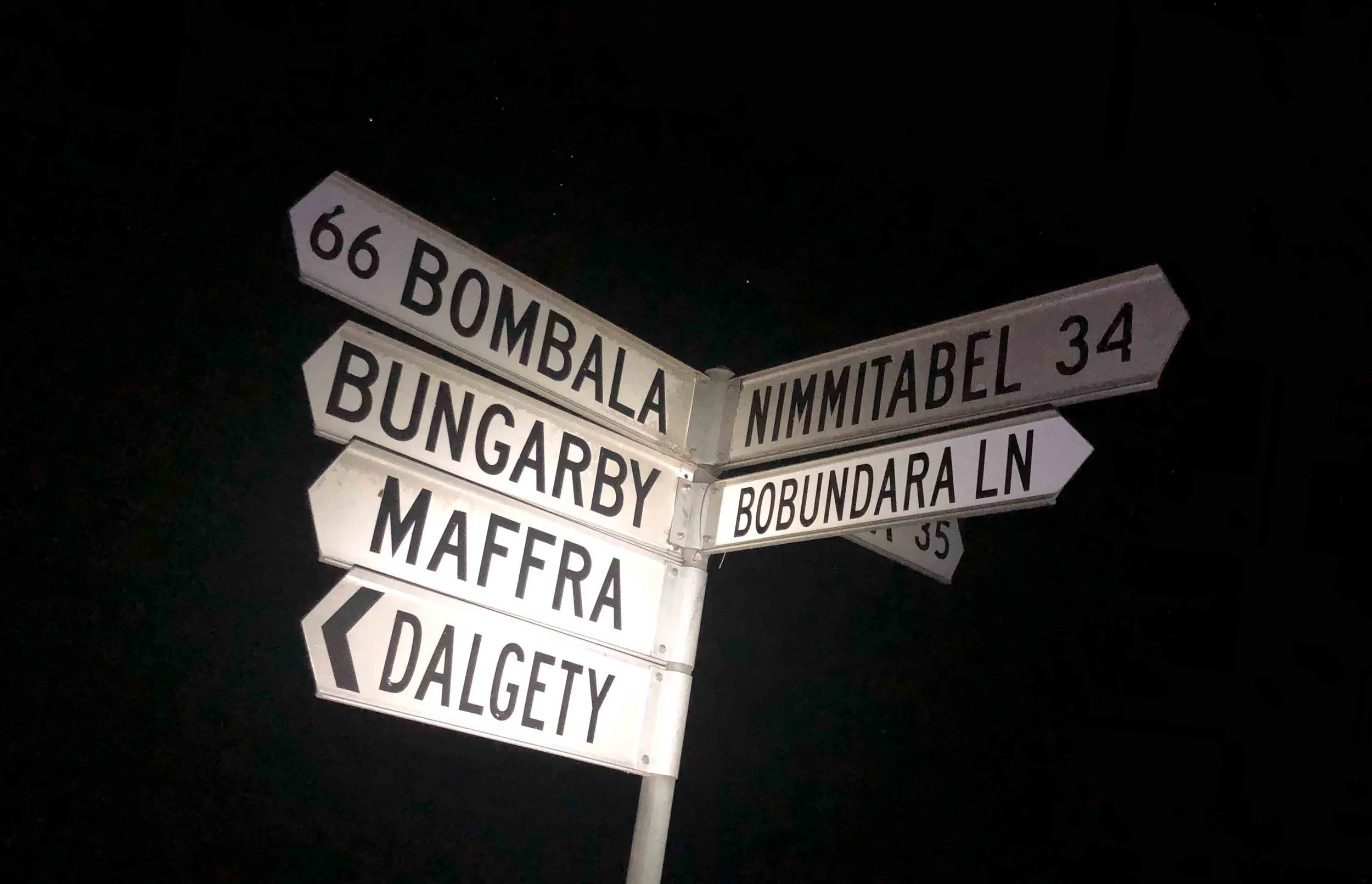
Afternoon ride turns to night on the Snowy River Way. Any camp sites near here?
Leaving the turbines behind, the ground fell away gently in concert with the evening easterly at my back. I refilled my bottles and continued on - it was definitely not a time to resist the flow. Fence posts flowed past while the steady stars guided the way. In such balance and peacefulness, a disruptive and fearful approach to climate change seemed jarring. You probably do need all of the helpers, organisers, advocates and rebels - but being a helper or an organiser seems so much more appealing than stopping a bridge in its tracks. There is so much joy when everyone achieves something together.
The sparkling star of a car appeared on the horizon. It’s a weird feeling riding down a desolate road at night with 4WD hammering down the highway after a few evening drinks in the other direction. I decided to get off the road, but to leave my lights on, maybe they would take some care and slow down a little. The searing shriek of rubber on road was just as jarring as the disruptive protests in central London. The car didn’t slow down out of any respect for my quiet protest to Canberra. Maybe Extinction Rebellion had a point.
As I wheeled my bike back on the road, I realised the wheels were covered in bindis. Bloody Australia! They don’t put that on the Tourism Australia ads! That feeling when elation suddenly turns to exhaustion and there is no chocolate in the paniers. One by one I carefully picked out hundreds of bindis out of the tyres. I wish I was in Sweden or Norway - you can camp anywhere there and they don’t have roadsides booby trapped with bindis and big barbed fences. Miraculously, I didn’t get a puncture. If I did, I probably would have left the bike right there and walked into the night searching for chocolate.
The nearest place to camp was the Bobundara Nature Reserve. Just 10k down Maffra Road towards Cooma. I had to focus and get there. Naturally, the road arched up towards this rocky outpost, turning it into a mirage I could never reach. I jammed down into my granny gear and ground away (sorry gran you were a great rider!), finding little resources of energy. There always seems to be a little bit more if you really need it. I crossed into the start of the nature reserve, but steep terrain and fat fuck off fences were not very encouraging. Near the saddle there was a locked high gate with a sign specifically banning camping. I looked across the road and found a cleared flat spot where the fence was further back from the road. It’s no Sweden, but this would do. Nearly 130k, I had done an epic for the ages and could make it to Canberra by Saturday. But I was done.
“Drop by any time and we’ll get the swords out,” I heard Andy say again as I fell asleep. Swords and wind turbines rampaged across the land and clashed all through the night.